
Identifying your interior design style can feel overwhelming—especially when you love more than one look. Maybe you’re drawn to the clean lines of modern spaces but also the warmth of a more traditional aesthetic. Here’s the thing: You’re not alone. Many homeowners feel torn and are unsure where to begin. That’s where we come in!
The truth is, you don’t need to fit perfectly into one category. Once you learn the process of an interior design project, you can start defining your vision—and with the right guidance, bring it to life beautifully.
If you haven’t already, take a look at our post 2025 Interior Design Trends We’re Loving for inspiration, or explore our Portfolio to see how we’ve helped clients discover and refine their personal styles.
1. Start With What Inspires You
Before you start labeling anything, take time to notice what draws you in.
Browse Pinterest, magazines, or our past projects. Save images that make you feel something—even if they seem different at first glance. Then identify the common undertones that make these spaces cohesive and well balanced.
Ask yourself:
- Do I prefer light or dark tones?
- Am I drawn to sleek, modern lines or more detailed, traditional details?
- Do I like open, airy rooms or cozy, layered spaces?
You’ll start to see themes in color, texture, pattern… and then you’ll notice an overall mood is being defined.

2. Think About How You Live
A beautiful home should also work for your lifestyle. At Kate Killeen Design, we always begin by understanding how you live day to day—because that’s what makes design personal and lasting.
Ask yourself:
- Durability: Do you require kid- or pet-friendly fabrics?
- Maintenance: Do you prefer easy-care finishes or love the character of soft, delicate details?
- Function: Do you entertain often, or thrive in calm, private spaces to unwind?
When form and function meet, your home becomes both uniquely elegant and effortless.

3. Explore With Small Changes
If you’re like most people and you don’t know what to do next, here is the secret: Experiment with the small stuff before making any big decisions.
Try:
- Throw pillows or artwork that reflect different styles
- Layering differing textures—like linen, velvet, or natural wood
- Adjusting your lighting to change the feel of a room
- Trying out a new shade of blue or a warmer gray on one wall instead of a whole room (trim works too!)
These small updates help clarify your preferences. When you’re ready for a cohesive redesign, a professional can interpret those insights and build a plan that brings them together beautifully.
4. Understand the Design Basics
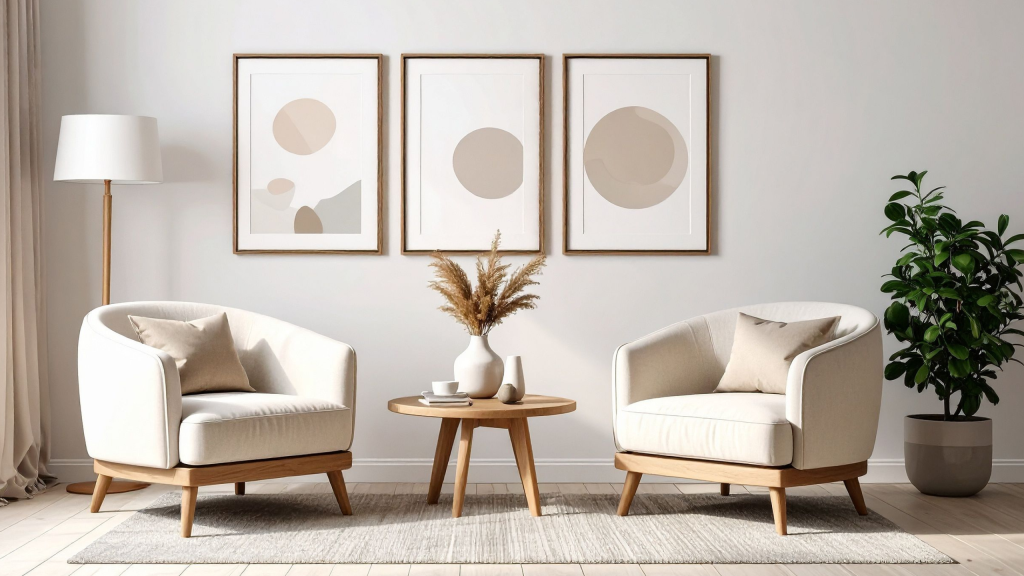
Knowing a few key elements helps you recognize what makes a space feel “right.” Here’s what we look at in every project:
- Light: Natural light opens up a space; layered lighting adds warmth and dimension.
- Texture: Coarse materials (like wood or woven fabrics) bring depth and interest; smooth finishes (like polished porcelain or metal) feel clean and livable.
- Color: Neutrals feel timeless; richer tones add both interest and personality.
- Pattern: Geometric shapes feel contemporary, while botanical prints feel more transitional and elegant.
- Scale: Mixing large and small pieces creates balance and flow.
- Line: Straight lines add structure; curves introduce movement and softness.
Balancing these elements takes practice.

5. Choose a Color Palette That Connects Your Home
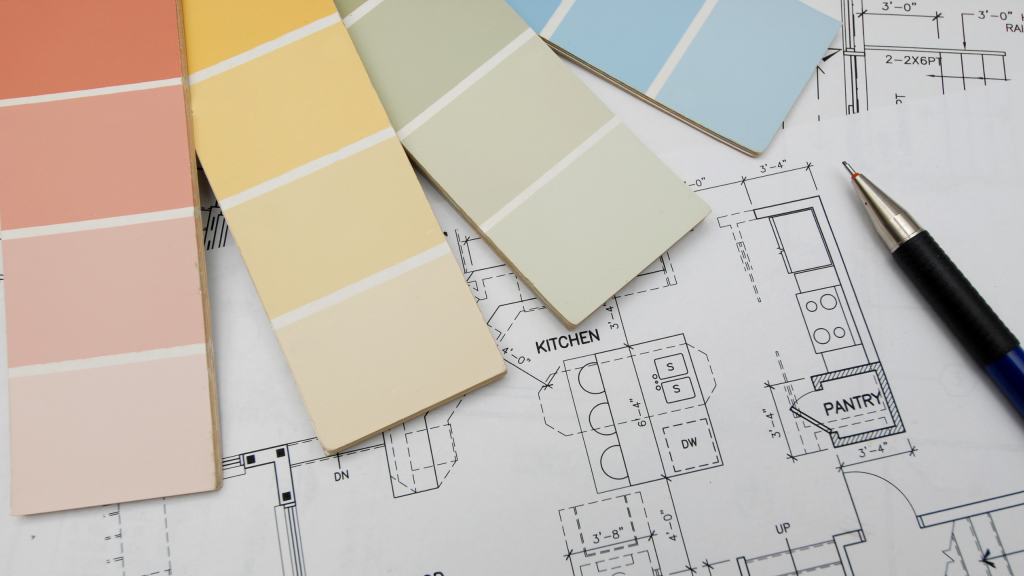
Color sets the tone of every space. The right palette creates continuity from room to room and supports the feeling you want your home to evoke.
Start with 3–5 core colors. Ground your design in neutrals and bring personality through accent hues. Consider how colors make you feel—blue for calm, green for freshness, warm tones for energy.
Our design team builds palettes that reflect you, and are pulled from real life – like a favorite destination, a collection of family heirlooms, or how natural light warms up the corner of a living room. It’s the attention to details that make any space feel bespoke – and authentically you.
6. Blend Styles Beautifully
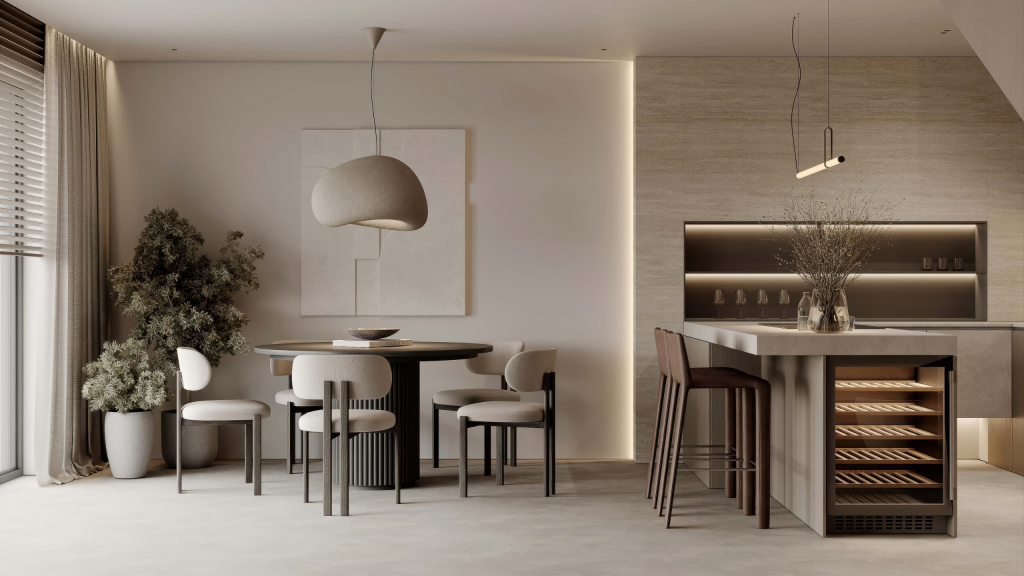
Do you love more than one aesthetic? You can absolutely combine them! The secret is balance and intention.
We often recommend following the 80/30 rule:
- Let one main style guide the foundation (about 80%)
- Introduce a secondary style through accents (about 20%)
For example, you might pair modern furniture with a vintage rug, or combine coastal textures with clean-lined fixtures. But a consistent color palette will ground your space and make it feel harmonious, not mismatched.
7. Stay True to What You Love
Ultimately, your home should reflect your taste and lifestyle. Trends come and go, but a space that feels authentic to you will always be timeless. Don’t worry about fitting perfectly into one category — use these ideas as a guide, but trust your instincts.
Not sure where to start? Take our Design Style Quiz to discover your personalized style guide — it’s the easiest way to get clarity and confidence before starting your design journey.
Are You Ready to Clarify Your Design Style?
Defining your style is the first step—bringing it to life is where the magic happens. And that’s where we come in!
Our team at Kate Killeen Design help homeowners transform inspiration into intentional, livable spaces that feel beautifully personal.
✨ Schedule your design consultation today to begin your transformation.
Or, explore our Portfolio to see how we’ve turned our clients’ visions into stunning, functional homes across South Florida and throughout the country.